By Kelly Maue
Inflammation is one way the human body protects itself – events like injury, infection, and the introduction of a foreign substance trigger this normal response. Inflammation is a broad reaction where the body tries to eliminate the threat so it can begin healing.
It only becomes problematic when the body can’t shut down the response. Acute inflammation, like the response to a germ or a scrape, is short-term. However, chronic inflammation is persistent and can last weeks, months, or even years.
Chronic inflammation can first present itself in many ways, including persistent pain, fatigue, joint stiffness, digestive issues, mood disorders, skin problems, and frequent colds or flu. Or you may feel foggy, tired, or unwell. But long-term chronic inflammation can become problematic. It’s linked to serious conditions including arthritis, depression, diabetes, heart disease, dementia, and certain types of cancer.
Some lifestyle choices can fuel inflammation, but the good news is that there are many ways to help reduce it. One key factor is a healthy diet. Choosing the right foods can have a big impact on inflammation and overall health and wellness.
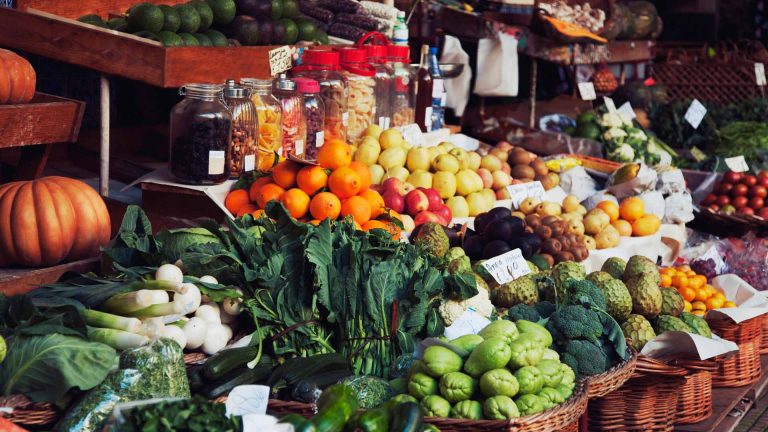
Some of the most potent anti-inflammatory foods are also recommended for their overall health benefits. Fatty fish, green leafy vegetables, tomatoes, olive oil, nuts, avocados, and colorful berries all make the list. And don’t overlook the value of certain herbs, spices, and beverages as well to help lower harmful swelling in the body. Those that pack a real punch in the battle to lower inflammation deserve special recognition:
- Salmon, sardines, and other fish are packed with omega-3 fatty acids, which have anti-inflammatory properties
- Leafy greens (like kale and spinach) are rich in antioxidants, which help fight free radicals associated with cancer and other diseases
- Berries are another potent source of antioxidants – plus these anti-inflammatory agents are full of vitamins and fiber
- Tomatoes are jam-packed with lycopene, another weapon in lowering inflammation
- Cruciferous vegetables (like broccoli) contain sulforaphane, which blocks inflammation
- Beets, packed with pigments called betalains, have strong anti-inflammatory powers
- Tart cherries (or cherry juice) help decrease inflammation, especially joint pain
- Healthy fats and proteins include extra virgin olive oil, avocados, nuts and seeds (think walnuts, chia, and flaxseeds)
- When it comes to carbs, whole grains (brown rice) and starchy veggies (sweet potatoes and squashes) are better choices
- Try plant-based protein like tofu, edamame, beans, and lentils
- Prebiotics help the growth of beneficial microorganisms in the gut (onions, leeks, garlic)
- Dark chocolate (70% or higher cacao) has flavonoids that help the vascular system
- Turmeric (with curcumin) helps block inflammatory pathways
- Ginger helps lower pro-inflammatory agents in the body
- Green tea is another protective antioxidant
Conversely, many foods should be avoided as much as possible. Processed meats, sugary drinks, fried foods, white bread, pasta, and alcohol are some of the unhealthy choices that lead to weight gain and inflammation.
Research shows that choosing anti-inflammatory foods can help reduce the risk of illness. A good way to start is simply making a few changes. Opt for fresh fruit instead of sugary ice cream. Try swapping traditional white bread for a healthier whole grain variety. In the evening, try making “golden milk,” which is a warm drink consisting of milk, honey, cinnamon, ginger, and powerful turmeric. A few small changes throughout the day can lead to lower inflammation and make a difference in overall health.